How Much Does a Custom Business Website Cost? A Practical Guide for Modern Brands
A transparent breakdown of business website costs in 2026. Understand the differences between template-based sites and custom engineering, hidden maintenance fees, and how technical performance drives commercial ROI.
Lucie Creatives Technical Strategy Group
Engineering & Digital Growth Division

Executive Summary & Key Findings
- Low upfront costs on generic website builders often lead to high compounding technical debt and poor Core Web Vitals.
- Custom Next.js web applications provide sub-second load times, superior SEO crawlability, and zero recurring theme license vulnerabilities.
- A business website should be evaluated as an inbound conversion asset rather than a brochure expense.
- Hidden ongoing costs typically include managed hosting, API rate limits, technical SEO monitoring, and security patching.
Key Cost Drivers in Web Development
Why Two Websites That Look Similar on Surface Can Vary 10x in Price
When business leaders evaluate website development quotes, the cost disparity can feel disorienting. One agency quotes ₹35,000 for a multi-page site, while an elite digital engineering firm quotes ₹3,50,000 to ₹10,00,000+ for what ostensibly appears to be the same page count.
The difference lies entirely in what is happening beneath the glass. A low-cost site typically wraps a bloated pre-purchased theme with dozens of redundant plugins, unoptimized database queries, and third-party trackers that drag Largest Contentful Paint (LCP) past 4.5 seconds. In contrast, custom web development involves tailored Information Architecture (IA), bespoke user experience design, modular component libraries, headless CMS integrations, and strict performance budgets that secure first-page search engine visibility.
The three fundamental cost drivers for commercial websites are architectural complexity (monolithic CMS vs. headless Next.js), interactive requirements (3D canvas, motion animations, calculators), and third-party enterprise integrations (CRM, ERP, payment gateways).
Every 100-millisecond reduction in website load time yields a documented 1.1% to 2.3% uplift in commercial conversion rates. A slow website saves money on day one and bleeds revenue every day thereafter.
Template Builders vs. Custom Engineering
An Objective Technical & Financial Comparison
For pre-revenue startups and hyper-local service providers with negligible search volume, platforms like Wix or basic WordPress templates may be functional starting points. However, growing enterprises requiring defensible brand authority quickly hit hard architectural ceilings.
Custom-engineered web applications utilizing Next.js, TypeScript, and Tailwind CSS generate pre-rendered static HTML at build time, deploying assets to global edge networks. This completely eliminates database lookup latency, prevents common SQL injection vectors, and ensures that Googlebot receives a fully rendered DOM without relying on fragile client-side hydration.
| Criterion | Template Builders (Wix/WP Theme) | Custom Next.js Web App |
|---|---|---|
| Upfront Investment | ₹15,000 – ₹45,000 | ₹1,20,000 – ₹6,50,000+ |
| Average LCP Load Time | 3.2s – 6.5s (Poor CWV) | 0.6s – 1.1s (Passing Green) |
| SEO Indexation Efficiency | Moderate (heavy client JS) | Exceptional (Static SSG) |
| Custom Animation Rigor | Restricted to preset widgets | Bespoke GSAP & Framer Motion |
| Maintenance Overhead | Frequent plugin breakages | Versioned CI/CD code releases |
| Scalability Ceiling | Slows under high concurrency | Infinite serverless edge scale |
E-Commerce Development Pricing Realities
Monolithic Storefronts vs. High-Velocity Headless Architectures
Building an e-commerce platform introduces complex variables: SKU volume, inventory synchronization, variant filtering, dynamic shipping calculations, and PCI-DSS payment compliance.
For modern brands, the optimal architecture is frequently 'headless commerce': pairing Shopify's robust checkout and catalog engine in the background with a lightning-fast custom Next.js frontend. While this approach carries a higher initial development investment (typically ₹2,50,000 to ₹7,00,000), it delivers instant page transitions, custom product bundle configurators, and conversion rates that consistently outperform monolithic Shopify Liquid templates.
Ongoing Maintenance & Core Web Vitals ROI
Protecting Your Digital Equity
A business website is not a static printed brochure; it is living digital software. Ongoing website maintenance encompasses Core Web Vitals auditing, broken link remediation, schema structured data updates, and continuous conversion rate optimization (CRO).
When businesses partner with a dedicated digital agency for quarterly performance sprints, their search visibility compounds over time. Maintaining green scores across Largest Contentful Paint (LCP < 2.5s), Interaction to Next Paint (INP < 200ms), and Cumulative Layout Shift (CLS < 0.1) protects organic keyword rankings and guarantees that marketing ad spend converts at maximum efficiency.
Need professional web development for your business?
Lucie Creatives engineers high-impact web development solutions tailored to your commercial milestones. Explore our capabilities, deliverables, and production sprint framework.
Related Projects
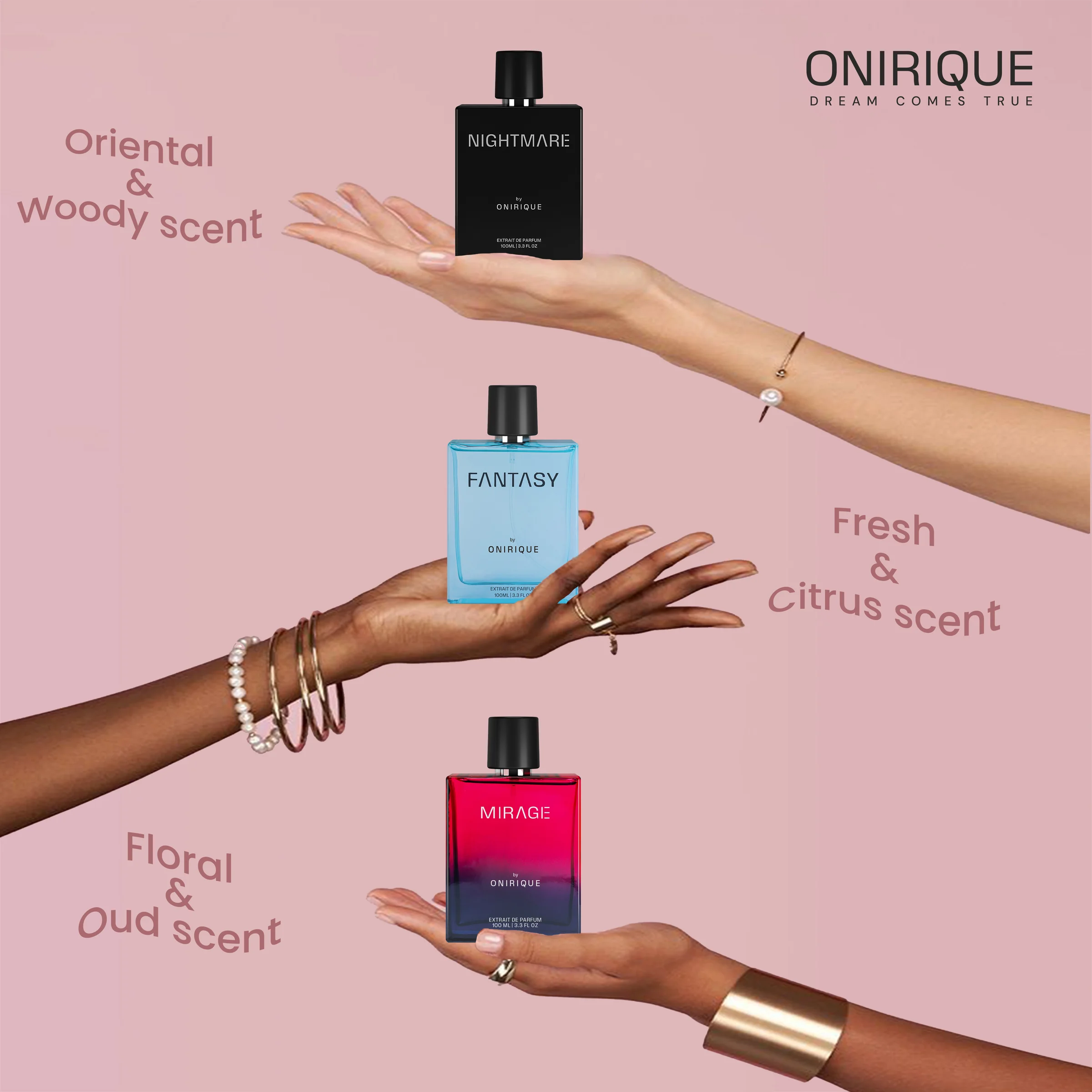
Onirique Parfums 3D CGI & Visual Identity
Onirique required an avant-garde visual identity and photorealistic 3D CGI packaging suite for their artisanal fragrance collection. We crafted bespoke bottle textures, moody lighting environments, packaging box die-lines, and social campaign assets.
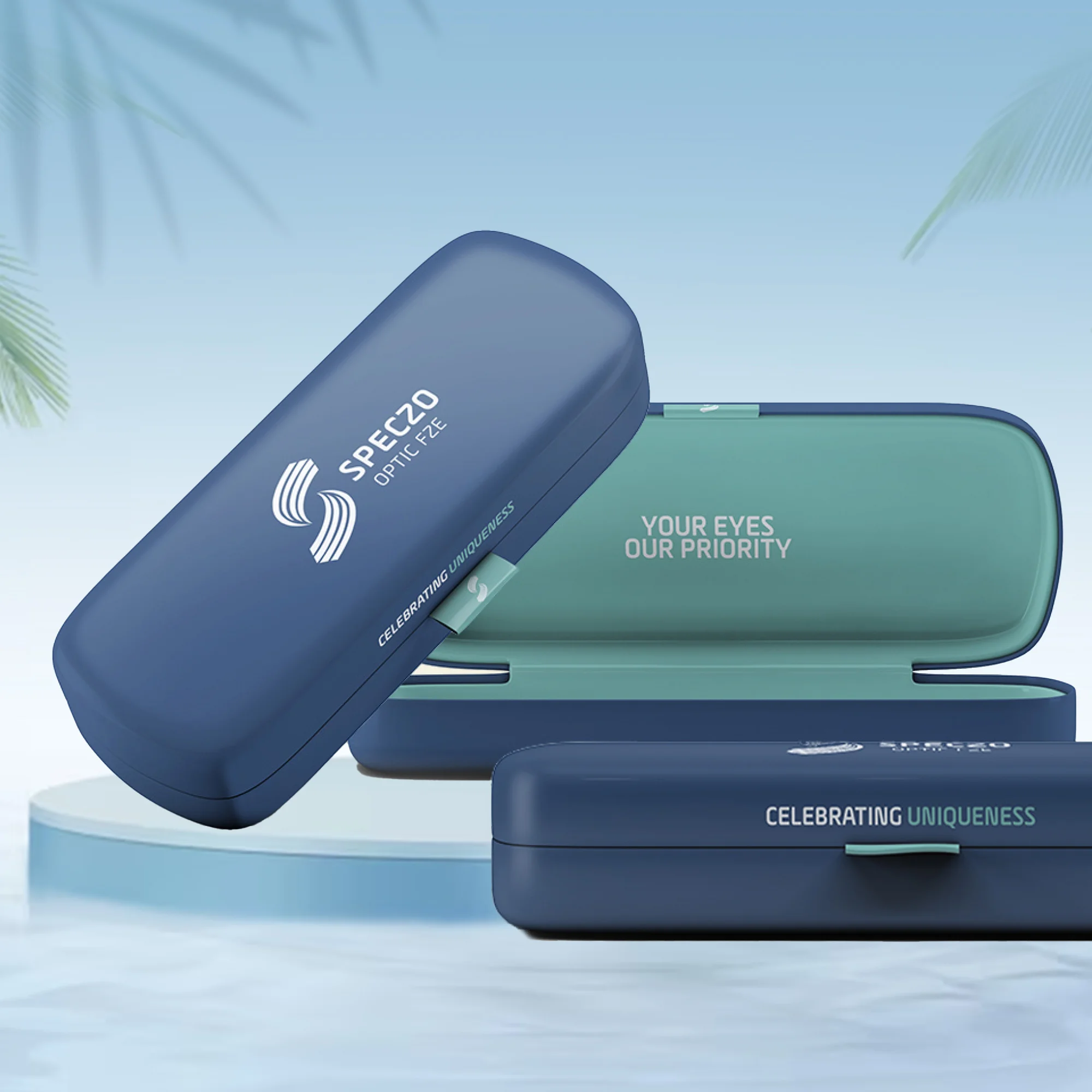
Speczo Eyewear Monolithic Identity & Packaging
Speczo sought a comprehensive visual identity and packaging system for their contemporary designer eyewear collections. We engineered custom packaging die-lines, debossed frame boxes, microfiber lens cloths, business cards, letterheads, and an integrated digital presence.
Delivering web development across Ahmedabad and globally.
Frequently Asked Questions
How long does a custom business website take to design and develop?
A standard 8 to 15 page custom enterprise website typically takes 4 to 8 weeks from initial discovery and wireframing through design sprints, frontend engineering, CMS integration, and final QA testing.
Why is a custom Next.js website better for SEO than WordPress?
Next.js pre-renders HTML on the server or at build time (SSG), delivering fully assembled semantic code to search engine crawlers in milliseconds. WordPress frequently relies on heavy database queries and dozens of plugin scripts that slow down Time to First Byte (TTFB) and degrade Core Web Vitals.
Can non-technical team members update copy and blog posts on a custom site?
Yes. We integrate intuitive headless CMS platforms like Sanity or Strapi. Marketing teams can edit copy, update images, create case studies, and publish articles through a streamlined editorial interface without touching code.
What is the typical monthly cost to maintain an enterprise business website?
Ongoing technical maintenance, hosting, security updates, and performance monitoring typically range from ₹5,000 to ₹25,000 monthly, depending on feature velocity, traffic scale, and database requirements.